
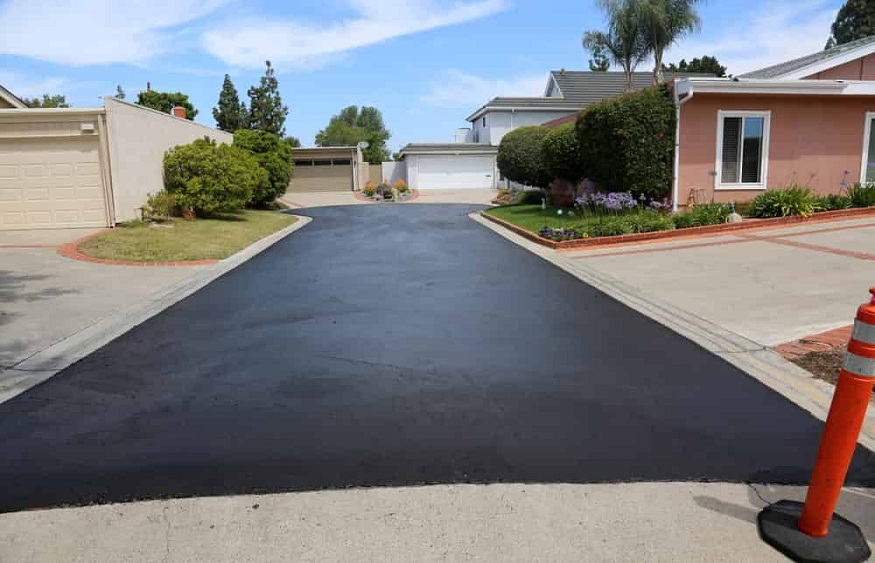
Bitumen driveways have long been a popular choice for Brisbane homeowners — and for good reason. They’re cost-effective, durable, and handle the demands of Queensland’s climate better than many people expect. But for most property owners, the decision to install or replace a driveway comes with a string of questions: What will it actually cost? How does the process work? And once it’s down, how long before you need to think about it again?
This guide answers all three, drawing on what experienced contractors who specialise in bitumen driveways in Brisbane consistently see in the field.
What Does a Bitumen Driveway Cost in Brisbane?
For most residential properties in Brisbane and the surrounding South East Queensland region, bitumen driveway installation typically falls between $45 and $100 per square metre for a complete job — site preparation, base construction, and finished surface included.
Read More : RO Plant vs Commercial Water Purifier: Which One Fits Your Business Needs?
In practical terms, that means:
- A single-car driveway (around 30 square metres): roughly $1,350 to $3,000
- A double driveway (around 60 square metres): roughly $2,700 to $6,000
- Larger acreage or multi-vehicle driveways: $10,000 or more depending on scope
These figures assume a straightforward site with reasonable access. Several variables move the needle in either direction.
Site conditions are one of the biggest cost drivers. A level block with good drainage and easy equipment access will cost less to prepare than a sloped or clay-heavy site that needs significant excavation and drainage work. Brisbane’s reactive clay soils — particularly in areas to the south and west of the city — can require deeper base preparation than contractors in other states routinely allow for, and that preparation directly affects both the cost and the long-term performance of the driveway.
Existing surface removal adds cost if you’re replacing rather than building from scratch. Removing old concrete is labour-intensive and typically adds $30 to $50 per square metre on top of the base installation price.
Design complexity also matters. Straight rectangular driveways are the most economical to lay. Curved edges, multiple sections, or custom transitions to paths or slabs require additional cutting and finishing time.
One cost that’s worth budgeting for separately: seal coating. Some contractors include an initial seal in their quote; others don’t. If it’s not listed, ask. Expect around $5 to $10 per square metre applied after the surface has properly cured. It’s a small outlay that meaningfully extends the lifespan of the surface.
How Bitumen Driveways Are Installed
Understanding the installation process helps homeowners evaluate quotes and ask the right questions before committing to a contractor. A quality bitumen driveway is built from the ground up — what happens below the surface matters as much as what you see on top.
Site Assessment and Preparation
Before any material is laid, the site needs to be assessed for drainage, existing soil conditions, and access.
Excavation and Base Construction
The sub-base is the foundation everything rests on. A standard residential driveway typically requires excavation to a depth of 150 to 300 millimetres depending on soil conditions and anticipated vehicle loads. Crushed rock is then laid in compacted layers.
Bitumen Laying and Compaction
Once the base is prepared and approved, the bitumen mix is laid using a paving machine and compacted while hot with a roller. The standard thickness for residential driveways is 25 to 40 millimetres. For driveways expected to carry heavier vehicles — trailers, caravans, light commercial vehicles — a thicker layer is recommended.Bitumen Driveways in Brisbane: What They Cost, How They’re Installed, and How Long They Last
Finishing and Edges
Edge detailing, transitions to existing paths or concrete slabs, and cleanup complete the installation. This is where workmanship differences become visible. Clean, well-defined edges and smooth transitions indicate a crew that takes the finishing as seriously as the structural work.
How Long Does a Bitumen Driveway Last in Brisbane?
A properly installed and maintained bitumen driveway in Brisbane can last 15 to 25 years, and in some cases longer. That range is wide because longevity depends on several factors specific to the site, the installation quality, and how the surface is maintained.
The Difference Between Cosmetic Cracks and Structural Problems
Not all driveway damage is equal, and homeowners who understand the difference can avoid both unnecessary expenditure and costly neglect.
Surface cracking — fine, hairline cracks that don’t penetrate deeply — is typically a maintenance issue. Caught early, it can be sealed for a modest cost and the surface life extended considerably.
Alligator cracking (a network of interconnected cracks that resembles cracked mud) indicates base movement or failure. This is a structural issue that surface repairs won’t solve. Addressing it properly means investigating and remedying the underlying cause, not just patching the surface.
Potholes are almost always a symptom of something deeper — water ingress, base deterioration, or poor original compaction. Filling a pothole without addressing the cause is a short-term fix that will need repeating.
Maintenance That Actually Extends Driveway Life
- Seal coat every 3 to 5 years — the single most effective preventive measure for Brisbane conditions
- Address cracks early — small cracks sealed promptly cost a fraction of what they cost once water infiltrates and widens them
- Keep drainage clear — ensure surface water has somewhere to go and that it flows away from the driveway, not under it
- Avoid heavy point loads — concentrated loads from jack stands, skip bins, or heavy machinery can indent or damage the surface, particularly in hot weather when bitumen is at its softest
Bitumen vs. Concrete: Which Makes More Sense for Brisbane?
This is a question Brisbane contractors get regularly, and the honest answer is that it depends on the property and the budget.
Concrete typically costs $65 to $150 per square metre installed — more than bitumen. It’s durable and low-maintenance once down, but it’s susceptible to cracking in reactive clay soils, and invisible repairs are difficult. In parts of Brisbane and Logan where soil movement is pronounced, concrete driveways that crack can be an expensive problem to manage.
Bitumen, by contrast, has more flexibility. It handles minor ground movement better than concrete, and repairs blend in naturally. The trade-off is that it requires periodic maintenance — primarily sealing — to reach its full lifespan potential.
Read More : PICHWAI: THE FOLK ART OF NATHDWARA
For homeowners prioritising upfront cost and practical performance across Brisbane’s soil conditions, bitumen is often the more sensible choice.
What to Look for in a Brisbane Bitumen Driveway Contractor
A few things separate a reliable contractor from one who’ll cost you more in the long run:
Detailed written quotes — a trustworthy contractor breaks down exactly what’s included: excavation depth, base material type and thickness, bitumen layer thickness, and what happens at the edges. Vague quotes leave room for corners to be cut.
Site inspection before quoting — no contractor can accurately quote a driveway they haven’t seen. If someone quotes purely on square metreage without visiting the site, that’s a warning sign.
Transparency about what affects price — good contractors explain why a job might cost more than a basic estimate, whether that’s difficult access, poor soil, drainage requirements, or existing surface removal.
References and examples of completed work — ask for them. Contractors with a track record of local work are usually willing to share it.
A bitumen driveway is a long-term asset for your property. The right preparation, the right contractor, and a basic maintenance routine will keep it performing well for decades.