
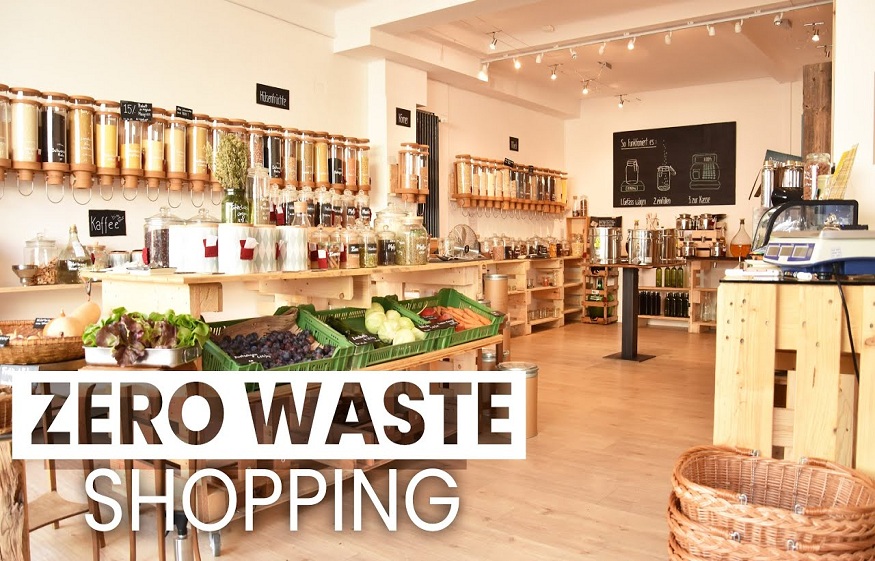
In recent years, the global shift towards sustainability has encouraged many sectors to rethink their waste management practices. Shopping centres, which generate significant volumes of waste daily, are increasingly adopting zero-waste initiatives to reduce their environmental impact. This trend towards creating zero-waste shopping centres focuses on ambitious waste management goals, rethinking how waste is produced, managed, and ultimately, eliminated.
From implementing closed-loop systems to engaging local communities, these shopping centres are setting a new standard for environmental responsibility. In this article, we will explore the different strategies employed by zero-waste shopping centres and how they are making a lasting positive impact on the planet.
The Concept of Zero-Waste
The concept of zero-waste aims to eliminate the need for landfills and incineration by diverting waste towards recycling, composting, and repurposing. For shopping centres, achieving zero-waste involves more than simply placing recycling bins in convenient locations. It requires a holistic approach to managing resources, from how products and materials are sourced, to how they are disposed of at the end of their life cycle.
A zero-waste shopping centre strives to minimise waste production, reuse materials where possible, and ensure that everything else is either composted or recycled. The ultimate goal is to ensure that no waste ends up in landfill or incinerators, contributing to a cleaner, greener future.
Closed-Loop Systems
One of the most effective ways that shopping centres can approach zero-waste is by adopting closed-loop systems. In a closed-loop system, materials are continually reused and repurposed, creating a cycle that reduces the need for new raw materials and minimises waste.
Read More: RO Plant vs Commercial Water Purifier: Which One Fits Your Business Needs?
For example, food waste from shopping centre restaurants can be collected and sent to composting facilities or anaerobic digestion plants, where it is turned into renewable energy and fertiliser. Packaging and materials used by retailers can be recycled on-site, closing the loop and eliminating the need for external waste disposal services.
By partnering with local waste management companies, shopping centres can establish comprehensive closed-loop systems that handle everything from food waste to recyclable materials. This creates a sustainable ecosystem where waste is reduced, resources are reused, and shopping centres can continue to operate without negatively impacting the environment.
Recycling and Waste Diversion
Recycling is a crucial component of any zero-waste strategy. Shopping centres are ideal locations for large-scale recycling efforts, given the amount of packaging, plastic, and other materials that pass through their doors every day. To achieve zero-waste goals, shopping centres must not only provide easily accessible recycling facilities but also educate tenants, employees, and visitors about the importance of waste separation and proper disposal.
By clearly labelling recycling stations and providing separate bins for materials such as paper, plastic, glass, and aluminium, shopping centres can significantly reduce the amount of waste that is sent to landfill. Many centres are also investing in on-site sorting and compacting facilities, which allow for more efficient recycling collection and processing.
Shopping centres are also increasingly diverting food waste from landfills through composting initiatives. In partnership with local composting organisations, food courts and restaurants are encouraged to collect food scraps, which are then composted and used for local agriculture or landscaping projects.
Reducing Single-Use Plastics
Another major step towards zero-waste is reducing the reliance on single-use plastics. Many shopping centres are working with their tenants to eliminate or significantly reduce plastic packaging, utensils, and bags. Instead, retailers are encouraged to use biodegradable or reusable materials. This shift not only reduces plastic waste but also creates a more eco-conscious shopping environment that aligns with the growing consumer demand for sustainability.
Reusable shopping bags, water bottle refill stations, and the phasing out of plastic straws are some of the practical changes that are becoming common in zero-waste shopping centres. These efforts help reduce the centre’s overall environmental impact while promoting a culture of sustainability among shoppers.
Community Engagement
Achieving zero-waste goals isn’t just about what happens within the shopping centre—it’s also about engaging the surrounding community. Many centres have recognised that involving the public in their zero-waste journey is crucial for success. Educational campaigns, workshops, and events focused on waste reduction and sustainability are excellent ways to bring awareness to the centre’s efforts and encourage eco-friendly practices beyond the shopping experience.
Shopping centres can also host recycling drives or partner with local organisations to promote waste reduction initiatives. By engaging the community, shopping centres create a broader impact and help instil lasting changes in consumer behaviour, which is essential for achieving long-term sustainability goals.
Reducing Washroom Waste
One often overlooked area in waste management is washrooms. Shopping centres have thousands of visitors each day, which means washrooms see heavy foot traffic. Traditional paper towels can contribute significantly to the centre’s waste output, but replacing them with energy-efficient hand dryers can help minimise waste. Hand dryers eliminate the need for paper towels and significantly reduce the amount of rubbish produced in busy public spaces.
In addition to reducing waste, modern hand dryers are also more energy-efficient than in the past, consuming less power and producing fewer carbon emissions. This small but impactful change helps shopping centres align their operations with zero-waste and sustainability goals.
For wider commercial, hospitality, or public-facing projects, small supporting details can make the finished space feel more complete. Composite decking can provide a durable, low-maintenance surface for terraces, entrances, outdoor seating areas, and customer-facing spaces; while traditional signage can add character, direction, and brand presence; while digital signage can share changing information, promotions, menus, or wayfinding updates clearly.
Conclusion: A Sustainable Future for Retail Spaces
Zero-waste shopping centres represent the future of sustainable retail spaces. By focusing on closed-loop systems, recycling, reducing single-use plastics, and engaging the community, these centres are demonstrating that it’s possible to operate large-scale commercial environments in an eco-friendly manner.
Read More: PICHWAI: THE FOLK ART OF NATHDWARA
While achieving zero-waste may seem like a monumental task, shopping centres that commit to these practices are creating a more sustainable future for everyone. With continued efforts, the dream of zero-waste retail spaces can become a reality, benefiting both the environment and the communities they serve.