Understanding Common Misting System Issues
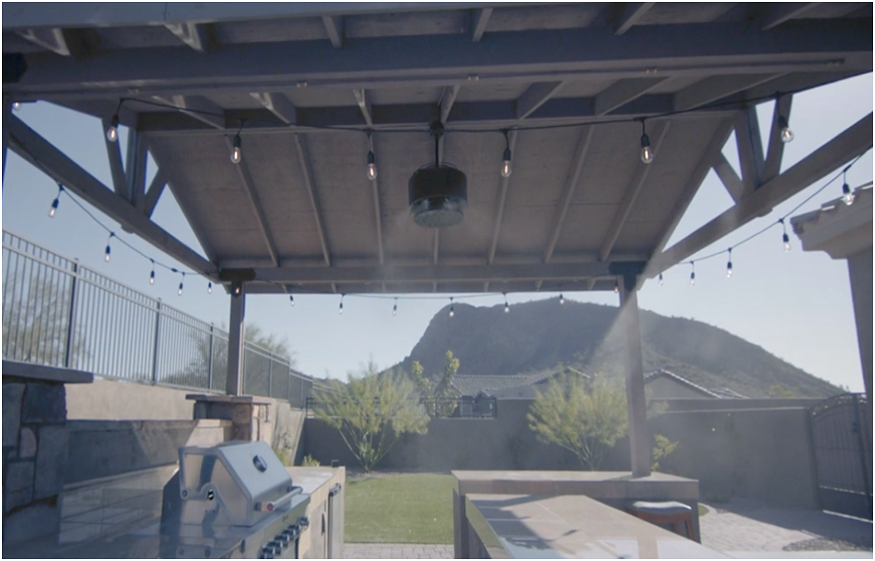
Misting systems are popular for cooling outdoor spaces, greenhouses, and industrial environments. Despite their efficiency, owners often encounter problems that reduce performance and increase maintenance costs. Recognizing these issues early can prevent extensive damage and costly downtime.
One frequent complaint is uneven spray distribution, which can leave some areas overly wet while others remain dry. This typically stems from clogged nozzles, improper water pressure, or uneven pipe routing. Another common issue is a noticeable drop in cooling effectiveness, often caused by mineral buildup, air bubbles in the line, or a failing pump.
Clogged Nozzles and Mineral Deposits
Nozzles are the heart of a misting system, and they can become obstructed by mineral deposits, especially in hard water areas. When the tiny apertures are blocked, the system loses its fine mist capability, leading to larger droplets that do not evaporate quickly enough to provide cooling.
Regular flushing with a descaling solution can mitigate this problem, but severe buildup may require professional disassembly and thorough cleaning. Ignoring the issue can cause increased wear on the pump and higher energy consumption.
Pressure Fluctuations and Pump Failures
Consistent water pressure is essential for a misting system to function correctly. Pressure fluctuations can be caused by a failing pump, leaks in the tubing, or incorrect pump sizing for the system’s length and nozzle count. When pressure drops, mist output diminishes, reducing cooling efficiency.
Diagnosing pump issues often involves checking voltage, measuring flow rates, and inspecting seals. Professional technicians have the tools to test pump performance under load and replace worn components before a complete system failure occurs.
Impact of Environmental Factors
External conditions play a significant role in misting system performance. Temperature, humidity, and wind can all affect how effectively the mist evaporates and cools the surrounding area. Understanding these variables helps in troubleshooting and optimizing system settings.
High ambient humidity, for example, slows evaporation, making the mist feel less cooling. In such cases, increasing the misting frequency or adjusting nozzle angles can improve results. Conversely, strong winds can disperse mist before it evaporates, requiring wind shields or strategic placement of misting lines.
Water Quality Considerations
Water with high mineral content not only clogs nozzles but also corrodes metal components over time. Installing a water softener or filtration system upstream of the misting equipment can extend the lifespan of the system and maintain consistent performance.
Regular testing of water hardness and pH levels allows owners to adjust maintenance schedules proactively, reducing the likelihood of unexpected breakdowns.
Seasonal Adjustments and System Longevity
Seasonal changes demand different operating schedules. During cooler months, many users shut down their misting systems, but improper winterization can lead to frozen pipes and cracked fittings. Properly draining and insulating the system is crucial.
Professional services often include winterization packages that ensure all water is removed, and vulnerable components are protected, preventing costly repairs when the system is reactivated in spring.
Benefits of Professional Misting System Repairs
While DIY maintenance can address minor issues, complex problems require the expertise of trained technicians. Professional repairs not only restore functionality quickly but also enhance system efficiency and extend its operational life.
Technicians can perform comprehensive diagnostics, including pressure testing, leak detection, and electrical inspections. Their experience enables them to identify root causes rather than merely treating symptoms, which saves time and money in the long run.
Comprehensive Diagnostic Services
A thorough assessment begins with a visual inspection, followed by specialized equipment to measure flow rates, pressure levels, and electrical integrity. This systematic approach uncovers hidden issues such as micro‑cracks in tubing or intermittent pump failures.
Once identified, the technician can recommend targeted repairs, replacement of worn parts, or system upgrades that improve overall performance.
Read More: Pool First or House First? What to Plan When Your Dream Home Includes Both
Quality Parts and Warranty Assurance
Professional repair services source OEM‑grade components that match the original specifications of the misting system. Using high‑quality parts ensures compatibility and durability, reducing the risk of future failures.
Many service providers also offer warranties on both labor and parts, giving owners peace of mind and protecting their investment.
For those experiencing persistent issues, seeking expert help is essential; a reliable provider can be found through a misting system repair service that specializes in both residential and commercial installations.
Conclusion
Understanding the common problems that affect misting systems—such as clogged nozzles, pressure inconsistencies, and environmental influences—empowers owners to take preventive measures. However, when issues become complex, professional repair services provide the expertise, tools, and quality parts necessary to restore optimal performance.
Read More: Turning Hard Water Soft at Home: Simple Methods Explained
Investing in regular maintenance and timely professional repairs not only ensures consistent cooling and comfort but also extends the lifespan of the system, delivering better value over time. By partnering with experienced technicians, you can keep your misting system operating at peak efficiency, season after season.