
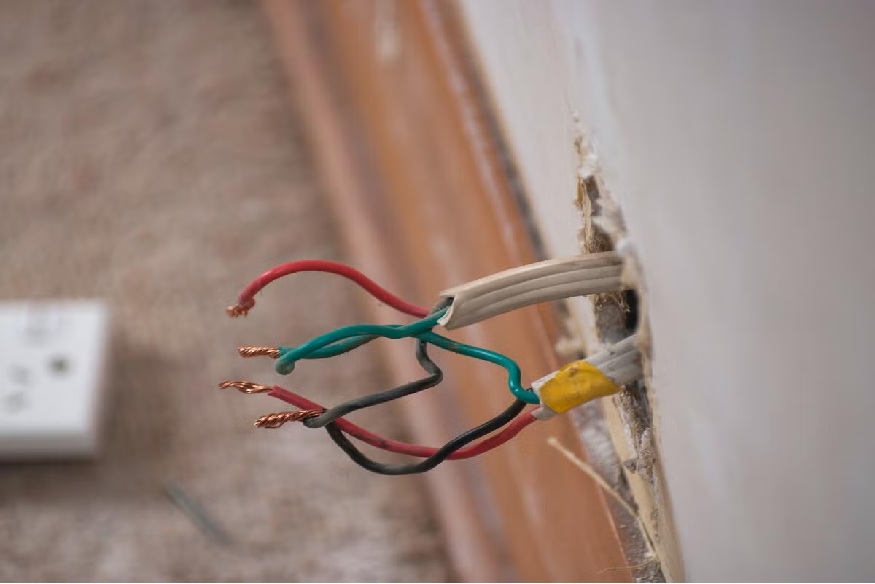
Faulty electrics are one of the leading causes of accidental house fires in the UK, and older rental stock is disproportionately affected simply because the wiring inside the walls can be decades older than anything visible in the kitchen or bathroom. Many tenants are unsure exactly where the line sits between a minor annoyance and a genuine safety issue, or what their landlord is actually obliged to do about it. Understanding the warning signs, the extra risks in older properties, and how a claim is typically valued makes it far easier to push for a proper fix rather than a temporary patch.
Warning Signs of a Wiring Problem
Flickering lights that are not caused by a loose bulb, sockets that feel warm to the touch, a circuit breaker that trips repeatedly for no obvious reason, or a persistent burning smell near a socket or the consumer unit are all signs that should never be ignored or worked around. Electrical wiring issues cover exactly this range of problems, and landlords have a legal duty to investigate promptly once a fault like this is reported, rather than waiting for it to escalate into something more serious.
Why Older Properties Carry Extra Risk
Wiring installed before the 1960s was never designed for the number of appliances a modern household runs simultaneously, and many older properties still lack RCD protection, the safety device that cuts power almost instantly if a fault is detected. A full survey of ageing wiring sometimes turns up a related problem entirely by accident: older cabling was occasionally routed through or near materials that are now known to be hazardous. Asbestos claims occasionally surface this way, when an electrician investigating a wiring fault finds asbestos board behind a consumer unit or around old cabling that nobody realised was there.
Structural Signs That Point to Bigger Problems
Cracking in the wall around a consumer unit or along the route cabling runs through the property is worth taking seriously rather than dismissing as ordinary settlement cracking. Where a property is affected by subsidence or other movement, cabling can be stressed or damaged in ways that are not visible until something actually fails. Structural defect claims sometimes run alongside an electrical claim for exactly this reason, and it is worth having both assessed together rather than treating them as entirely separate issues.
Working Out What Your Claim Might Be Worth
As with other disrepair categories, the value of an electrical claim depends on severity, how long the fault was left unaddressed after being reported, and whether it caused any damage or put anyone at risk. Trying an online claims calculator early gives a realistic starting figure, particularly useful if a landlord offers a quick fix and a small goodwill gesture rather than properly addressing the underlying fault.
Steps to Take if You Suspect a Fault
Never attempt to fix electrical work yourself, both for safety reasons and because doing so can undermine a later claim by removing evidence of the original fault. Report the issue in writing immediately, request a full Electrical Installation Condition Report if one has not been carried out recently, and keep a dated record of every communication. Landlords are obliged to carry out urgent electrical repairs promptly, and a documented, formal approach from the outset puts tenants in a far stronger position than an informal complaint that is easy for a landlord to let drift.
Read More: Common Misting System Problems and How Professional Repairs Can Help
What a Proper Investigation Should Involve
A competent electrician investigating a reported fault should check the consumer unit, test the earthing arrangement, and assess whether RCD protection is actually present and functioning rather than simply assumed to be there because the property is relatively modern. Where a landlord sends someone to do a quick visual check and nothing more, it is reasonable to ask for a full written report rather than accepting a verbal assurance that everything is fine, particularly if the original symptoms, warmth, smell, flickering, continue afterwards. A proper EICR should flag anything that falls below current wiring regulations, even where it has not yet caused a visible fault, and landlords are increasingly expected to hold a valid, in-date certificate for the property regardless of whether a tenant has specifically asked to see one.
Insurers and claims assessors also tend to treat a documented EICR, or the lack of one, as a significant piece of evidence when a dispute reaches that stage, since it shows clearly whether the landlord was keeping on top of a legal obligation or simply hoping nothing would go wrong. For tenants, requesting a copy of the most recent certificate in writing costs nothing and often resolves the uncertainty either way far faster than waiting for a visible fault to force the issue.
Smoke Alarms, Fire Doors and the Wider Fire Safety Picture
Wiring faults rarely exist in isolation, and it is worth checking the wider fire safety provision in the property at the same time. Working smoke alarms on every floor, correctly positioned fire doors in shared buildings, and clear escape routes all matter far more when the underlying electrics are already a known risk. Landlords of rented properties are legally required to fit and test smoke alarms, and a failure to do so sits alongside an electrical fault as part of the same wider pattern of neglect that a claim can reasonably address. Noting the condition of these items alongside the electrical fault itself, with dates and photographs where relevant, builds a more complete picture of risk than treating the wiring issue as a standalone technical problem, and it often speeds up how seriously a landlord treats the initial report. Testing alarms monthly and reporting any that fail immediately, in writing, also protects a later claim by showing the tenant acted responsibly throughout, which matters if a dispute ever turns on who knew what and when.
Getting a Second Opinion
If a landlord’s own electrician gives a reassuring verdict that does not match what you are actually experiencing, it is entirely reasonable to arrange an independent inspection at your own cost initially, keeping the invoice and report as evidence. Many tenants assume they have no right to question a landlord’s chosen contractor, but a second, independent report carries real weight if a claim later needs to demonstrate that the original assessment was inadequate or incomplete. Local authority environmental health teams can also inspect a property and issue an improvement notice where genuine hazards are found, which applies pressure on a landlord through a route entirely separate from a civil claim and can be pursued alongside one rather than instead of it.
Read More: Pool First or House First? What to Plan When Your Dream Home Includes Both
Electrical problems are one area where caution should always win over convenience. A socket that is avoided, an extension lead used to bypass a dead circuit, or a breaker that is simply reset each time it trips can all feel like reasonable workarounds, but each one leaves the underlying fault in place and the risk unchanged. Recording these symptoms, reporting them formally and insisting on a qualified inspection is the safest route for the household and, if it ever comes to it, the strongest foundation for a claim. Landlords who take electrical safety seriously generally welcome early reports, and those who do not are precisely the situations where clear documentation matters most.